For US or EU retail importers sourcing through a manufacturer or trading company, approve a baby bath spray water toy only when its demonstrated water action, age positioning, care method, and item-specific records match the buying brief. Keep teething and wooden floor-play items on separate approval lines, even within one assortment. Use Approve for a verified fit, Hold for resolvable conditions, and Reject for a confirmed mismatch that cannot be corrected; a bath-toy name alone does not establish a spray mechanism.
Set the destination country and sourcing route before comparing replies. A direct manufacturer and a trading company should answer the same product, inspection, replenishment, and corrective-action questions. Evaluate who controls those activities—not which business label sounds more reassuring.
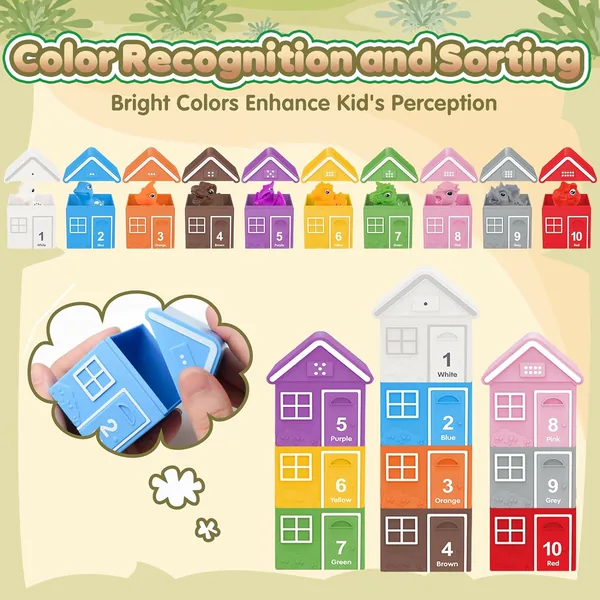
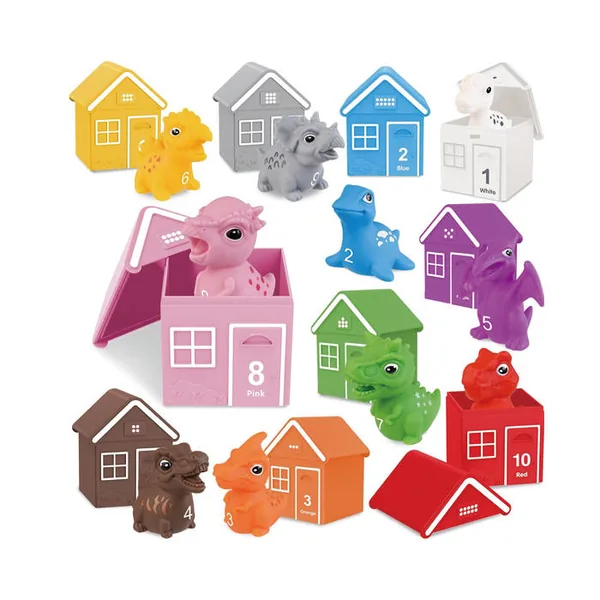
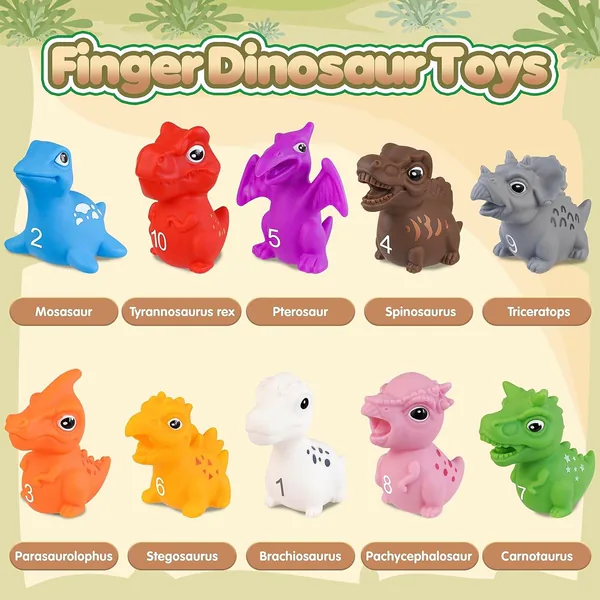
What do the two bath catalog records establish?
| Educational bathtub toy — CPS344173 | Recorded product type: educational bathtub toy. Recorded material: ABS. Packing: window box. Reference MOQ: 120 units. Recorded carton quantity: 24 units. |
|---|---|
| Dinosaur bath soft-toy animal set — CPS282303 | Recorded product type: dinosaur bath soft-toy animal set. Packing: single item. Reference MOQ: 36 units. |
How should bath, teething, and wooden toys fit one assortment?
Build the assortment around intended use, substantiated age positioning, material feel, and everyday care—not a shared “baby” or “Montessori” label.
For the educational bathtub toy, request a demonstration of the exact water action. Does the child squeeze, pump, pour, or operate another mechanism? Check the sample against the action you intend to describe on the shelf. Ask the supplier to demonstrate setup, water entry and exit, draining, cleaning, and drying. These observations support a function-and-care decision; they do not establish microbiological cleanliness or replace safety testing.
Keep the dinosaur animal set as a separate bath-play candidate. Request its component materials and assess grip, flexibility, seams or joints, and care instructions on the sample. “Soft-toy” wording does not establish a particular polymer, plush filling, or suitability for chewing. Likewise, the educational toy’s ABS field is not a complete component-material specification.
For adjacent teething items, evaluate the finished chewable assembly, its intended age positioning, cleaning instructions, and supporting report coverage. For wooden floor-play items, inspect surfaces, edges, joints, coatings, and markings. Do not transfer a bath toy’s care instructions to a wooden toy, or approve a wooden item for immersion merely because it sits in the same baby assortment.
What should an acceptable supplier reply include?
| Destination market and age positioning | Request: State the destination country, intended age band, product use, and item revision. Acceptable response: The proposed sample, label artwork, instructions, and supporting documents refer to a consistent product and age position. Record: Item specification, artwork revision, and document-to-item comparison. Decision: Hold if those records conflict; approve this check only after the product/QC reviewer resolves the conflict. This prevents a broad baby-toy claim from substituting for an item-specific decision. |
|---|---|
| Bath-water action and everyday care | Request: Demonstrate the educational bathtub toy’s operating action and the dinosaur set’s intended bath use, including cleaning and drying. Acceptable response: A current sample and demonstration agree with the proposed retail description and written care method. Record: Sample identity, demonstration reference, and observed results against the requested action. Decision: Hold a spray claim until demonstrated; reject that assortment role if the confirmed mechanism cannot meet the brief. Retain a different bath-play role only through an explicit buyer decision. |
| Component materials, feel, and construction | Request: Identify the materials and construction of the body, movable pieces, soft sections, joints, and any chewable components. Acceptable response: A component list explains the sample without treating one material field as the whole construction. Record: Component specification and sample observations, including relevant surfaces, seams, and joints. Decision: Hold unresolved differences; accept the material-and-feel check only when the sample matches the agreed specification. This separates a catalog descriptor from the product the retailer will receive. |
| Item-matched supporting documents | Request: Provide the reports and other documents proposed for the exact bath, teething, or wooden item in the named destination. Acceptable response: Model identification, photographs or construction descriptions, materials, and relevant report coverage can be reconciled with the proposed product. Record: Report reference and a documented scope comparison; verify the issuer or report details where appropriate. Decision: Hold order release while material scope questions remain. A generic certificate or a material-only report is not, by itself, a finished-item approval. |
| Sample QC and production responsibility | Request: Identify the seller, production site, inspection owner, and corrective-action owner; provide relevant QC records. Acceptable response: Responsibilities are clear and sample observations can be compared with agreed requirements. Record: Business identity, relevant production verification, sample checklist, inspection plan, and correction record. For wooden items, include surface finish, burrs, paint odor, printing or engraving, packaging, warnings, and age markings as applicable. Decision: Hold unassigned inspection or rework responsibility. Odor and appearance checks are commercial sample observations, not chemical-safety findings. |
| Packing, MOQ, and commercial terms | Request: Quote the selected pack, current MOQ, carton quantity, any order multiple, price basis, delivery terms, payment terms, and inspection/rework arrangements. For custom work, include tooling costs and ownership terms. Acceptable response: A dated quotation identifies the item and pack revision and separates minimum quantity from packing restrictions. Record: Written quotation and agreed order terms. Decision: Hold if the proposal exceeds the buying brief or leaves a release-critical term unresolved; reject if the confirmed terms cannot meet the buyer’s requirements. |
| Replenishment and change control | Request: Separate first-order and repeat-order timing, identify when timing starts, explain reorder quantities, and describe how construction or production-site changes will be communicated. Acceptable response: Written replenishment terms distinguish production commitments from a catalog listing and require buyer review of relevant changes. Record: Reorder quotation, schedule basis, and agreed change-notification procedure. Decision: Hold replenishment approval until the repeat-order conditions fit the plan. A catalog color or listing does not establish available inventory. |
| Communication and correction closure | Request: Return item-by-item answers and identify an owner and agreed response date for each open point. Acceptable response: Answers resolve the questions or state a specific follow-up action without silently changing the specification. Record: Dated correspondence and an open-action log. Decision: Record slow replies as a communication observation; hold time-sensitive buying decisions when necessary. Delay alone is not proof of fraud or evidence that performance will worsen after payment. |
When should the buyer approve, hold, or reject an item?
Approve an item only when its product fit and release-critical conditions are closed; Hold it when a specific action can resolve the issue; Reject it when a confirmed mismatch cannot be corrected within the buying brief.
Do not average away a critical issue with a points score. An attractive window box cannot compensate for an unresolved age-positioning conflict, and a lower reference MOQ does not establish a better replenishment fit. Approve the bath, teething, and wooden lines separately so one satisfactory sample does not carry unrelated items through review.
For the wooden portion of the assortment, a published buyer checklist recommends business-license checks, relevant live production verification, model-matched reports, sample inspection, and written commercial terms. Use those as purchasing controls, not as proof that factory ownership guarantees better QC. A trading-company route should be assessed on its actual access to production, records, inspection, and corrective action. Wooden-toy buyer checklist
Approval records support traceability. They do not, by themselves, prevent or reveal an undisclosed construction change. Keep the approved specification and sample identifiable, agree change notification, and compare production inspection findings with that reference.
What is the proposed decision record for the two bath candidates?
| Review identity and revision | Review: bath-assortment candidate screening. Record revision: 1. Review date: October 26, 2026. Catalog reference date: October 9, 2026. Sourcing route and destination country must be entered in the buying record before market-specific approval. |
|---|---|
| Educational bathtub toy — CPS344173 | Specified target: demonstrated bath-water play matching the intended shelf description, with an agreed age position, care method, window-box presentation, and workable order terms. Recorded observation: bathtub-toy description, ABS material field, window-box packing, and reference MOQ/carton figures. Proposed decision: Hold order release; retain for sample review. Release conditions: demonstrate the exact action before approving spray wording; reconcile the component specification, sample, destination documents, current quotation, and inspection responsibilities. |
| Dinosaur bath soft-toy animal set — CPS282303 | Specified target: animal-themed bath play with an agreed set composition, material feel, care method, age position, and retail presentation. Recorded observation: dinosaur bath soft-toy animal-set description, single-item packing, and reference MOQ. Proposed decision: Hold order release; retain for sample review. Release conditions: confirm component materials, included pieces, carton configuration, actual bath-use behavior, care instructions, destination documents, and current commercial terms. Do not approve a teething role from the bath-set description. |
| Responsible approvers and approval date | Assign the purchasing lead responsibility for assortment fit, quotation, and replenishment approval; assign the product/QC reviewer responsibility for sample, specification, and document review. Record each responsible person’s name and signed decision date. The October 26, 2026 recommendation remains Hold until those approval actions are completed. |
| Follow-up conditions and closure | Purchasing lead: obtain the itemized reply, revised quotation, packing confirmation, and agreed commercial terms. Product/QC reviewer: assess samples, reconcile supporting documents, and close construction or labeling questions. Give each condition an owner and an agreed due date. Close it with the accepted record identifier, revision, reviewer, and closure date; record any remaining restrictions explicitly. |
| Final release decision | Change Hold to Approve only after the release-critical conditions are closed against the same item revision. Record Reject if a confirmed product, market, care, QC, or commercial mismatch cannot be resolved. Approval of one candidate does not authorize the other candidate or a separate teething or wooden-toy line. |