The mold decision — not the unit price — determines whether a baby bath toy program works at wholesale. A cavity that traps water, a resin that leaches in warm water, or a tool whose ownership is never frozen in writing will cost more across three reorders than the tooling fee ever did. Choose ODM when speed to shelf matters and the design is not yours; choose OEM tooling only when you can write the cleaning structure, material, cavity count, sample gate, and tool ownership into the PO before steel is cut.
Key Takeaways
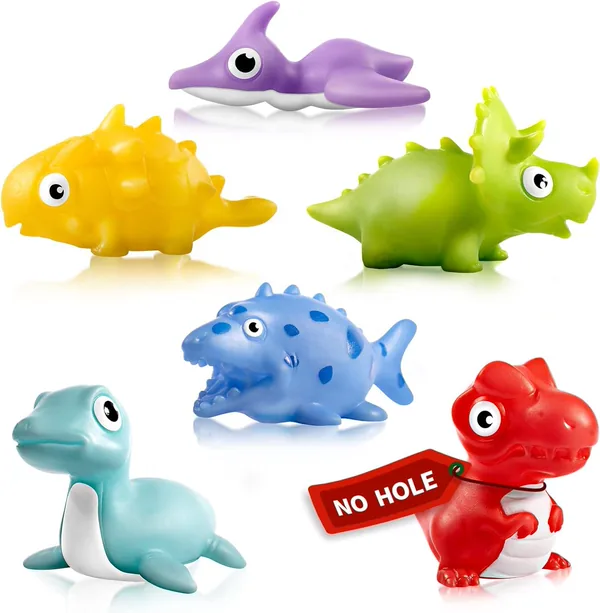
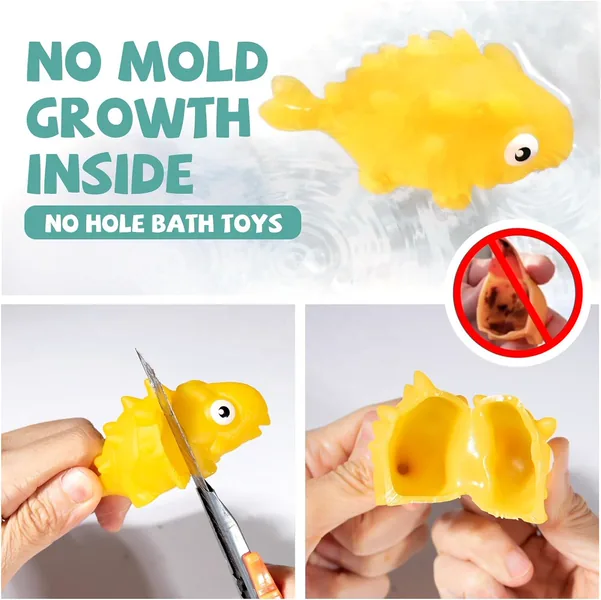
- Mold risk in baby bath toys is a tooling decision, not a cleaning instruction: a hole-free body or an openable two-piece design removes the internal cavity that causes trapped-water complaints.
- A photo of a color sample is not an approval. Buyers who approve only a photo pay for it on the second lot; the control point is a sealed physical golden sample compared against bulk for color, fit, flash, and function.
- Tooling policy must be a document, not a handshake: fee, ownership, storage period, and what happens if the tool sits idle belong in the contract.
- For any battery-operated bath SKU, specify the gasket and screw-down sealing at the mold stage; seal degradation, rust, and leakage are design outcomes, not QC luck.
- A type-test or golden-sample report does not automatically cover a later production lot — match report SKU, materials, colors, and production cohort to the PO.
Manufacturers at a Glance
| Injection molder (Guangdong/Chenghai cluster) | Specialty: plastic bath toys, tubs, activity pieces | MOQ: varies by spec | Origin: Chenghai/Shantou, Guangdong | OEM/ODM: both | Certifications: varies by spec |
|---|---|
| Silicone molder (Shenzhen/Guangdong) | Specialty: one-piece food-grade silicone bath toys | MOQ: varies by spec (source states MOQ depends on size and customization) | Origin: Guangdong | OEM/ODM: both, mold development offered | Certifications: documents buyers may request include FDA, LFGB, EN71, ASTM, CPSIA, CPC-related testing |
| Mould maker (child-product tooling) | Specialty: baby bathtub, chair, and toy moulds | MOQ: not applicable to tooling; varies by spec | Origin: Guangdong | OEM/ODM: tooling for OEM | Certifications: not stated |
| Assembled gift/party toy supplier (Yiwu) | Specialty: mixed bath and gift assortments | MOQ: varies by spec | Origin: Yiwu, Zhejiang | OEM/ODM: ODM-led, limited tooling | Certifications: varies by spec |
| PVC/vinyl bath toy supplier (Guangdong) | Specialty: low-cost squirting toys | MOQ: varies by spec | Origin: Guangdong | OEM/ODM: OEM logos common | Certifications: varies by spec |
What MOQ Should a Buyer Expect for Custom Baby Bath Toys?
There is no single honest MOQ number, and any catalogue sentence that gives one should be treated as a red flag. Published product listings in this category show MOQs ranging from single-digit sample quantities up to 1,000 pieces for OEM bath toy sets, but those are listed SKUs, not a mold commitment. The real MOQ is a function of cavity count, tool life, resin, packaging, and whether the tool is shared or dedicated.
Cavity count is the factor buyers most often overlook. A multi-cavity tool raises the tooling line but lowers per-piece cycle cost; a single-cavity tool is cheaper to cut but slower to run. If your annual volume cannot absorb a dedicated multi-cavity tool, a shared or family mold may be the only way the unit economics close. Ask the supplier to show the break-even volume where a dedicated tool beats the shared option — that calculation, not the quote headline, tells you which route fits.
How Should a Buyer Compare Baby Toys Suppliers on Materials, Packaging, MOQ, Lead Time and Available Documents?
Compare suppliers on five written artifacts, not on sales claims: a DFM response to your file, a material grade with the resin confirmed before the tool is cut, a packaging spec, a tooling and inspection plan, and a document list. Guangdong child-product mould makers commonly name PP or ABS for toys and PP or HDPE for tubs and chairs, and state that resin is confirmed before cutting steel. That sequence matters because warm bathwater accelerates chemical leaching in uncertified soft PVC, so material choice is a compliance decision as much as a cost decision.
On documents, the source guidance is to request Children's Product Certificates (CPC) or EN71 test reports verifying zero BPA, phthalates, or lead, and to tie those reports to the specific mold and material used. Note the limitation: a type-test report does not automatically cover a later production lot. Importers should match report SKU, materials, colors, and production date or cohort to the PO, and should search the CPSC recall database by product, brand, and hazard — though an absence of a recall is not a safety certification.
For corner-sensitive or fragile bath items shipped LCL, the booking file is the evidence base. Write double-wall, corner boards, ECT, and pallet height into the instruction; claims are won or lost on that document, not on a thank-you email.
OEM Mold or ODM Catalog: Which Route Fits Your Bath Program?
Choose ODM when you need shelf speed and the design is not a brand asset. An existing catalog tool skips the tooling fee and the sampling cycle, and you compete on packaging, bundle configuration, and price. Choose OEM tooling when the shape, cleaning structure, or color system is part of your brand promise and you can commit to volume. The middle route — a shared mold with private-label colors and packaging — is often the best first step for a nursery distributor testing the category.
A documented case makes the point: a buyer treated a low-price category as a filler line, and it became the line customers reordered in advance because it sold out faster than pricier categories — a category that fits small shelf space and moves fast. The lesson for bath toys is that a small, well-chosen tooling investment in a fast-turning SKU can outperform a large investment in a slow premium item. Treat the mold decision as a shelf-space decision, not just an engineering one.
What Questions Should a Retailer Ask Before Requesting a Wholesale Quote for Baby Toys?
Ask for the tooling policy as a document. A buyer once paid a tooling fee and then asked who owned the tool; the contract had not frozen storage years or release conditions. The fix is to write fee, ownership, storage period, and what happens if the tool sits idle into the agreement. Tooling policy is a document, not a handshake.
Ask for the golden sample protocol. For eleven years in Chenghai, the argument that ends a color dispute is the sealed golden sample on the QC shelf — emails do not. Compare bulk to that physical piece on color, fit, flash, and function. Buyers who approve only a photo pay for it on the second lot.
Ask how a failed lot is handled. On the floor, the workable sequence is to isolate the failed lot, record the defect class, and release only after rework. The AQL number itself should come from the agreed inspection plan on the PO — do not accept an AQL figure from a catalogue sentence. Also confirm that measurement equipment used for release decisions has a current calibration or verification status, and that any process, resin, mold, coating, component, or sub-supplier change is notified and risk-assessed before use in a released toy.
Can You Outline an RFQ Brief for Baby Bath Toys?
A usable RFQ brief has eight fields, and leaving any of them blank invites a padded quote. Write: (1) target market and required documents — for the US, CPC-related testing; for the EU, EN71; (2) age band, such as 6 months+, 12 months+, or 3 years+, matched to size and softness; (3) material direction — food-grade silicone or food-contact-approved PP/ABS, with PVC ruled in or out explicitly; (4) cleaning structure — hole-free body or openable two-piece, and no bottom drain holes; (5) quantity and pack format, single, 3-piece, or gift set; (6) tooling route, OEM dedicated, shared, or ODM catalog; (7) delivery terms and packaging spec, including double-wall and corner protection for LCL; (8) sample gate — who signs the golden sample and what it covers.
Send 3D files or drawings with the volume estimate. A mould maker can typically return a DFM quote quickly, and single-cavity child-product tools commonly sample in roughly 35-45 days depending on size and complexity — so the RFQ calendar should start after DFM sign-off, not after the first email. If a supplier quotes a firm price before reviewing geometry, the price is a placeholder.
Mold Decision Cheat Sheet
| Cleaning structure | Hole-free body or openable two-piece design; avoid bottom drain holes that trap water |
|---|---|
| Material direction | Food-grade silicone or food-contact-approved PP/ABS; uncertified soft PVC is a known leaching risk in warm water |
| Battery SKU sealing | Heavy-duty rubber gasket with screw-down security specified at the mold stage |
| Cavity strategy | Dedicated multi-cavity for volume; shared or family mold for first orders; confirm break-even volume |
| Sample gate | Sealed physical golden sample signed for color, fit, flash, and function; photo approval excluded |
| Tooling policy | Fee, ownership, storage period, and idle-tool consequences written into the contract |
| Documentation | CPC-related or EN71 reports matched to SKU, materials, colors, and production cohort; check CPSC recall database separately |
FAQ
What is the minimum order quantity for custom baby bath toys?
MOQ varies by spec — cavity count, tool life, resin, and packaging all move it. Published listings in this category range from single-digit sample quantities to 1,000 pieces for OEM bath toy sets, but the binding number is the supplier's tooling and production plan for your geometry. Ask for the break-even volume where a dedicated tool beats a shared mold.
How much does a baby bath toy mold cost?
Mold cost is not disclosed in the supplied records. Drivers named across the category are mold type, product size, product complexity, cavity count, material, prototype, mold life, and production volume. Request a DFM quote from your 3D file rather than accepting a range — the geometry decides the price.
Should I choose a hole-free silicone design or an openable plastic design?
Choose hole-free silicone if you want to remove the internal cavity entirely and accept a soft-touch, higher-material-cost product. Choose an openable two-piece plastic design if you need lower unit cost and a visible cleaning feature. Either way, avoid bottom drain holes: trapped bathwater in an enclosed, dark cavity is the core complaint driver.
Do I need CPC or EN71 for baby bath toys?
It depends on the destination market: CPC-related testing is the US route and EN71 is the EU route, and the target market should be confirmed before mass production. Suppliers can provide these documents, but the report must match the SKU, materials, colors, and production cohort on your PO — a type-test report does not automatically cover a later lot.
Who owns the mold after I pay the tooling fee?
Only what the contract says. A documented case shows a buyer paying a tooling fee and then discovering the contract had not frozen storage years or release conditions. Write fee, ownership, storage period, and what happens if the tool sits idle into the agreement before payment.
How long does mold development take for a baby bath toy?
For single-cavity child-product tools, a common sampling window is roughly 35-45 days depending on size and complexity, starting after DFM sign-off. Published process sequences for OEM bath toys list design and 3D drawing at a few days, prototype around one to two weeks, mold making around 25-35 days, and samples around one to two weeks — treat these as planning inputs, not guarantees.
Sources
Request a Quote or Factory Audit
Send your 3D file or drawing, target market, age band, pack format, and volume estimate, and ask for a DFM response plus the tooling policy in writing. If you want to verify the production floor first, request a factory audit and a sealed golden sample protocol before any tooling fee is paid.