Packaging texture is a compliance and QC decision, not a cosmetic detail — it will surface at your retailer's receiving dock. A US retail assortment requires that any plastic film in your packaging meets the ASTM F963 thickness rule, and your supplier must show you a physical sealed sample, not just a photo, before you commit to a production run. This guide covers the material, MOQ, and documentation checks to run before you request a quote from a Chenghai or Shantou toy factory.
Why texture selection matters for baby toy packaging OEM
Texture determines how a package performs on a compliance test, not just how it feels in a buyer's hand. A soft-touch matte finish reads as premium at retail, but if that finish is achieved with a plastic film that is too thin, it fails the ASTM F963 packaging requirement. A textured, grippy surface on a teether or silicone toy can be a selling point, but it must be tested for small parts and migration under the age grade you label.
In Chenghai, the material conversation starts with what the toy itself is made of — silicone, wood, ABS, or a wheat-straw composite — and the packaging follows that logic. A silicone fidget toy needs a soft, tactile pack that doesn't crush the product; a wooden house set needs a rigid box that protects corners. The texture choice is a function of the product's fragility, its weight, and the retail environment it will sit in.
Key sourcing takeaways for texture and packaging
- Match packaging texture to the toy material: silicone toys tolerate soft clear plastic windows, while wooden sets need rigid, corner-protective structures.
- Verify the plastic film thickness rule: any packaging film must have an average thickness greater than 0.00150 in. (0.03175 mm) or be perforated per ASTM F963.
- Ask for a sealed golden sample, not a photo, to lock the color, texture, and fit before bulk production.
- Confirm the CPC is matched to your SKU, not to the factory door, and that tracking labels include manufacturer, date, and lot.
- Treat cord, strap, and elastic textures as compliance items for toys under 36 months, per CPSC guidance.
How should a buyer compare baby toys suppliers on materials, packaging, MOQ, lead time and available documents?
Compare suppliers on five columns: material range, packaging texture options, MOQ posture, lead time, and document readiness. Do not let a supplier's product catalog double as proof of packaging capability — a factory that molds ABS blocks may not have a dedicated blister-pack line, and a plush toy maker may not handle rigid cartons.
Ask each shortlisted factory the same questions: What textures can you apply to the pack (matte, gloss, soft-touch, embossed)? What is the MOQ for a custom-printed blister vs. a plain carton? Can you provide a test report from a CPSC-accepted lab for the packaging material? What is the lead time for a sealed sample before bulk? The answers separate a packaging OEM from a factory that just assembles boxes.
What MOQ should I expect for custom orders?
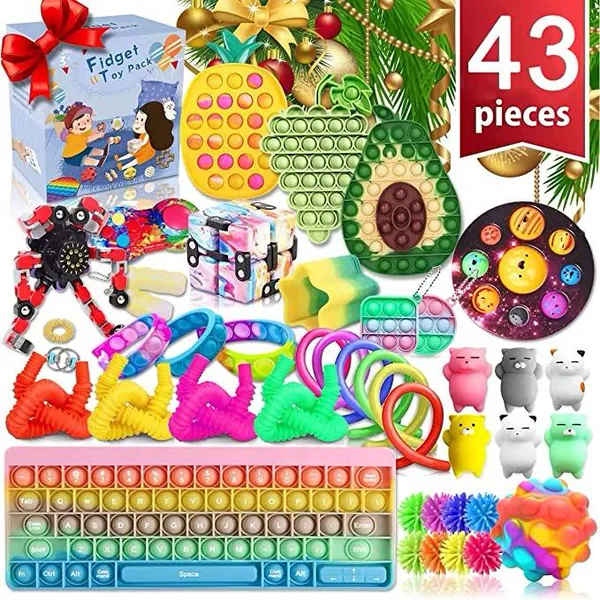
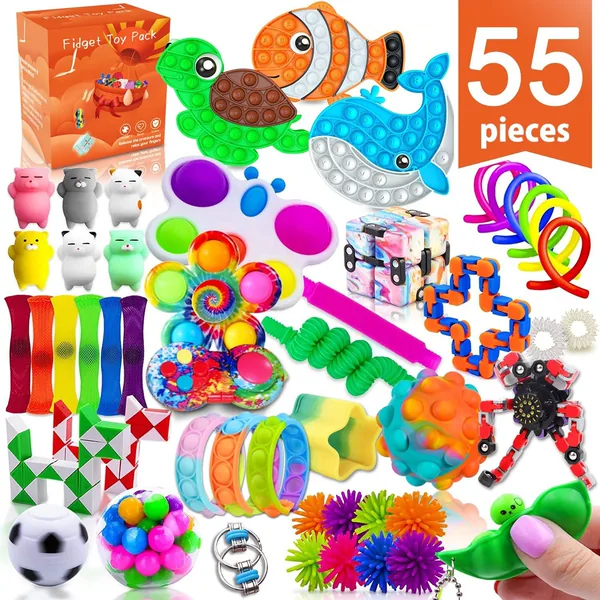
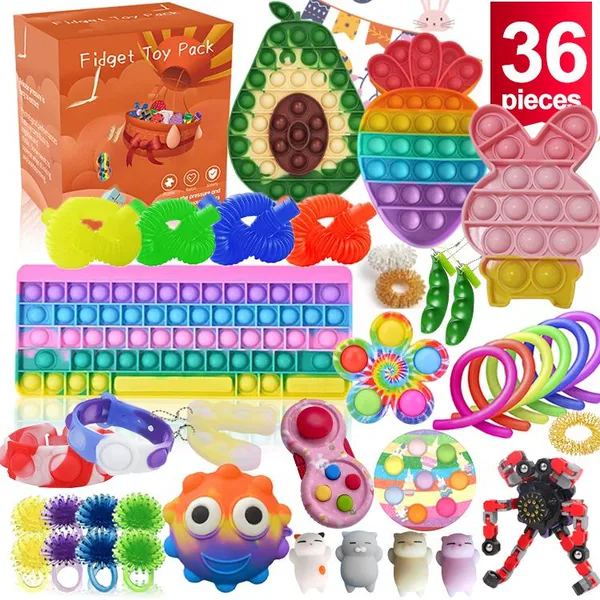
| Silicone sensory toy (e.g., fidget pack) | MOQ from 60 units; texture options include soft-touch, matte, and embossed finishes. |
|---|---|
| Wooden house / furniture set | MOQ from 16 units; rigid carton with protective inserts is standard. |
| ABS plastic building block set | MOQ from 72 units; glossy or matte blister pack common. |
| Mixed-material countdown calendar | MOQ from 500 units; complex multi-compartment packaging requires higher minimums. |
| Wheat-straw composite vehicle set | MOQ varies by spec; eco-material packaging requires supplier confirmation. |
Which certification applies to toys sold in the EU and US?
For the EU, the Toy Safety Directive 2009/48/EC sets essential safety requirements, and CE marking belongs to that conformity process. For the US, ASTM F963 is mandatory under CPSIA, codified at 16 C.F.R. part 1250, and children's toys intended primarily for ages 12 and under generally require testing at a CPSC-accepted lab and a Children's Product Certificate.
The CPC is product-specific — it identifies the product, the safety rules it meets, the manufacturer and importer, and the test lab. Do not accept a 'factory certificate' as a substitute. Ask for the test report that names your SKU, its age grade, and the standard edition. Starting July 8, 2026, importers of most regulated consumer products must electronically file certificates of compliance with U.S. Customs and Border Protection, so your OEM should be ready to share test data in a format that supports eFiling.
What questions should a retailer ask before requesting a wholesale quote for baby toys?
Determine whether the packaging texture is part of the toy's play value or purely protective before sending an RFQ. If the texture is on a teether or silicone toy, it is a tested component; if it is just a print finish on a carton, it is a cosmetic spec. That distinction changes your documentation needs.
Ask the factory for a line-clearance protocol — a factory that stops the line to clear old labels and work instructions before a new SKU run understands mixed-label risk. Request a sealed golden sample for the exact texture you want, and ask for a migration test report for any coating or ink that touches the product.
A RFQ brief for baby toys with market, age band, quantity, pack format and delivery terms
A complete RFQ brief has six fields. Market: US, EU, or both — this determines whether you need ASTM F963 or EN71 compliance. Age band: 0-12 months, 12-24 months, or 2+ — this determines small-parts testing and cord/strap limits. Quantity: your estimated units per SKU, which sets the MOQ conversation. Pack format: blister, carton, or polybag — this sets the packaging texture scope. Delivery terms: FOB Shantou, CIF, or DDP. Documents: request the test report, CPC or Declaration of Conformity, and a sealed sample.
Send the same brief to three factories. Compare the answers on texture options, MOQ, and document readiness. The factory that asks clarifying questions about your age band and market understands compliance — the one that quotes immediately without questions is quoting you a generic product.
How to verify a Chenghai or Shantou toy factory before you order
Chenghai, in Shantou, Guangdong, is the 'China Toy Gift City' — a cluster of thousands of toy manufacturers, from specialized plush and EVA factories to large injection-molding operations. The density of suppliers means competitive pricing and fast sample turnaround, but it also means you must verify each factory's claims.
Request a business license, a factory audit report, and test reports for the specific SKU you are sourcing. A listing that claims CE and ASTM certification for its products does not mean its packaging materials are certified — packaging is a separate compliance item. Then move to a physical sample review. In Chenghai, the sealed golden sample on the QC shelf is the final authority on color, texture, and fit. If a factory cannot or will not send you a physical sealed sample before bulk, treat that as a red flag.
FAQ
What is the MOQ for custom baby toy packaging with a specific texture?
The MOQ depends on the pack format. A custom-printed blister or carton with a soft-touch or embossed finish typically starts at a few hundred units, while a simple polybag with a printed label can be lower. Confirm the exact MOQ for your SKU and texture spec directly with the factory.
Do I need ASTM F963 or EN71 testing for my packaging?
Yes, if your packaging is a plastic film or includes cords, straps, or small parts, it is subject to the same standard as the toy under ASTM F963 or the EU Toy Safety Directive. Ask your OEM for a test report that covers the packaging material, not just the toy body.
What documents should I request from a baby toy packaging OEM?
Request a test report from a CPSC-accepted lab (for US) or a Declaration of Conformity (for EU), a Children's Product Certificate matched to your SKU, and a sealed physical sample. Starting July 8, 2026, US importers must eFile certificates with CBP, so confirm your OEM can share test data in that format.
How can I verify that a Chenghai factory will match the sample texture in bulk?
Ask for a sealed golden sample and keep it on your QC shelf. Compare bulk production against that physical piece for color, texture, fit, and flash. Buyers who approve only a photo often pay for mismatches on the second lot.
What lead time should I plan for a custom packaging texture?
Plan for a sample approval cycle of 1-2 weeks, followed by production lead time that varies by factory load and order size. Confirm the lead time for your specific pack format and quantity before placing the order.
Is a factory's CE or ASTM claim on its products enough for my packaging?
No. A product-level certification does not automatically cover packaging materials. Ask for a test report that names your SKU and its packaging components, and verify the standard edition cited in the report.
Sources
Related Products & Categories
Request a Quote
Ready to source baby toys with packaging that passes compliance and impresses at retail? Send your RFQ with your target market, age band, and pack format, and we will respond with a material and texture recommendation, MOQ, and a sample plan.