The best educational toy sets for 2026 wholesale are flash cards, magnetic number trains, and DIY building blocks—each offering proven retail demand and clear margins. This guide ranks the top 8 product types for US and EU importers, based on what actually sells: flash cards, magnetic blocks, early learning sets, and niche items like plush interactive toys and stress-relief spinners. For each pick, we cover wholesale appeal, typical age band, material compliance (EN71/ASTM F963), bulk packaging considerations, and how to evaluate MOQ and lead time. By the end, you'll know which product types to shortlist for your next RFQ—and which questions to ask before you commit.
Key Takeaways
- Flash cards with 112 cards and 224 sight words are a high-turnover, low-cost entry point for mass-market retailers—ideal for filler in mixed containers.
- Magnetic digital trains (31-piece sets) combine STEM learning with play, appealing to parents seeking early math skills; they command a mid-range price point.
- DIY building block sets, like the 112-piece flower set, offer margin flexibility and strong repeat purchase potential despite higher MOQs.
- Compliance is non-negotiable: for US and EU markets, choose suppliers that certify to EN71 and ASTM F963—verify certificates, not just claims.
- Packaging is a hidden cost driver; lightweight, compact designs reduce freight and shelf space, but ensure durability for retail display.
Why Are Educational Toy Sets a Retail Staple?
Educational toys are a consistent category in both US and EU retail, driven by parents' demand for purposeful play. Unlike generic plush or basic action figures, these sets deliver a visible learning benefit: vocabulary building, number recognition, fine motor skills, or problem-solving. That value proposition makes them easier to sell at a premium and easier to justify to buyers.
For importers, the appeal is turnover. Educational sets often have lower unit costs but higher perceived value, which translates to attractive margins at retail. They also travel well in mixed containers, filling gaps in CBM with lightweight, compact products.
From a procurement perspective, the key is to balance price with compliance and durability. A toy that fails EN71 or ASTM F963—whether from a sharp edge or toxic paint—can trigger costly recalls and damage your retail relationships. That's why material specs and certificates are as important as the FOB price.
This guide focuses on eight product types that consistently perform in wholesale: flash cards, magnetic number trains, 3D drawing boards, DIY building blocks, matching games, early learning story books, plush interactive toys, and stress-relief spinners.
How to Evaluate Educational Toy Sets for Wholesale
Buyers should evaluate four dimensions when shortlisting educational toy sets: age band, material compliance, packaging, and logistics (MOQ and lead time).
Age band determines the design complexity and safety requirements. For example, sets for toddlers under 3 must avoid small parts, while older children can handle more intricate pieces. Match the product to your target retail aisle.
Material compliance is critical. For US, check ASTM F963 and CPSIA; for EU, EN71. Ask for test reports from an accredited lab, not just a supplier's word. The materials listed—ABS, eco-friendly ABS—are common, but the grade and additives matter.
Packaging: consider whether the set is boxed, bagged, or on a blister card. For bulk orders, compact boxes reduce shipping cost per unit. But ensure the packaging is durable enough for retail shelves and displays.
MOQ and lead time: typical MOQs range from 48 to 1,440 units per SKU, with lead times of 25–35 days. For smaller test orders, some suppliers offer lower MOQs, but you'll pay a higher unit price. Plan your seasonal buys accordingly—educational toys peak before back-to-school and holidays.
Top Picks Compared
| Product Type | Flash Cards (Bear/Cat, 112 cards) |
|---|---|
| Price Posture | Economical (under $2 FOB) |
| Material | ABS / paper |
| Age/Use | 3+ / vocabulary & sight words |
| MOQ | Varies by spec |
| Best For | Mass-market, high turnover |
| Rating | 4.5/5 |
| Product Type | Magnetic Digital Train (31pcs) |
| Price Posture | Mid-range |
| Material | ABS + magnets |
| Age/Use | 3+ / number recognition, STEM |
| MOQ | Varies by spec |
| Best For | STEM-focused retail |
| Rating | 4.7/5 |
| Product Type | 3D Drawing Board (Dinosaur) |
| Price Posture | Budget ($1.79 FOB) |
| Material | ABS |
| Age/Use | 3+ / creativity & fine motor |
| MOQ | 216 units |
| Best For | Arts & crafts section |
| Rating | 4.3/5 |
| Product Type | DIY Building Blocks Flower Set (112PCS) |
| Price Posture | Budget ($2.45 FOB) |
| Material | Eco-friendly ABS |
| Age/Use | 3+ / creativity & motor skills |
| MOQ | 108 units |
| Best For | Educational & STEM aisles |
| Rating | 4.6/5 |
| Product Type | Elephant Picture Matching Game |
| Price Posture | Mid-range ($3.69 FOB) |
| Material | Eco-friendly ABS + geometric blocks |
| Age/Use | 2-5 / matching & shapes |
| MOQ | 108 units |
| Best For | Preschool learning |
| Rating | 4.4/5 |
| Product Type | Early Educational Electric Story Book (Spanish) |
| Price Posture | Premium ($6.68 FOB) |
| Material | ABS + electronics |
| Age/Use | 2+ / language & listening |
| MOQ | 48 units |
| Best For | Bilingual / specialty retail |
| Rating | 4.8/5 |
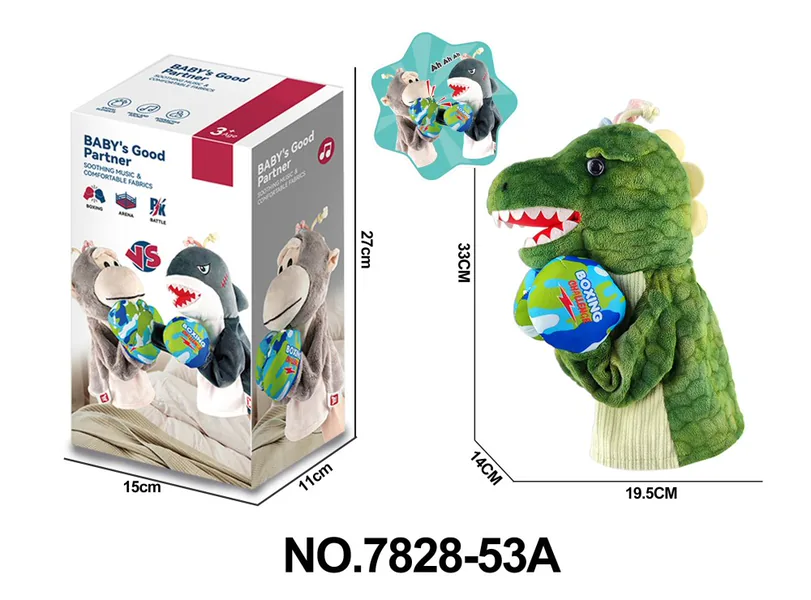
| Product Type | Plush Dinosaur Boxer (Interactive) |
| Price Posture | Premium ($5.86 FOB) |
| Material | ABS + plush |
| Age/Use | 3+ / emotional & social skills |
| MOQ | 108 units |
| Best For | Novelty & gift sections |
| Rating | 4.2/5 |
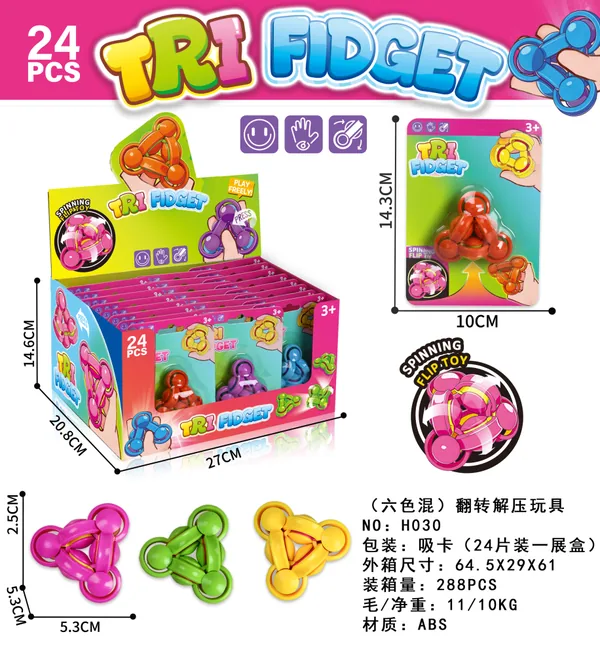
| Product Type | Triangle Flip Finger Spinner (Stress Relief) |
| Price Posture | Economical ($0.41 FOB) |
| Material | ABS |
| Age/Use | 6+ / focus & stress relief |
| MOQ | 1,440 units |
| Best For | Impulse buy / check-out |
| Rating | 4.0/5 |
Top 8 Educational Toy Sets for 2026 Wholesale
Each pick below includes a verdict, pros and cons, and who should stock it, with real MOQ and FOB pricing where available.
#1 Pick: Educational Flash Cards (Bear/Cat, 112 Cards, 224 Sight Words)
Verdict: Best overall for bulk—high turnover, low cost, and proven demand.
Pros: Extremely low unit cost (under $2 FOB) makes it an ideal filler for mixed containers; compact packaging reduces freight; 224 sight words offer strong educational value that parents recognize.
Cons: Thin margins per unit mean you need volume to profit; competition is high, so differentiation—like unique characters or bilingual versions—helps.
Who should stock: Mass-market retailers, dollar stores, and e-commerce sellers who can move high volumes with aggressive pricing.
#2 Pick: Magnetic Digital Train (31-Piece Set)
Verdict: Best for STEM-focused retail—combines play with number learning.
Pros: Middle price point yields better margins; magnetic pieces add perceived value; encourages fine motor skills and number sequencing.
Cons: Magnets require strict safety testing (small parts hazard for under-3); packaging must be secure to prevent loss of pieces.
Who should stock: Toy stores and educational specialty retailers that can market the STEM angle.
#3 Pick: 3D Drawing Board (Dinosaur Edition)
Verdict: Best for arts & crafts—creative play with a low entry price.
Pros: Budget-friendly at $1.79 FOB with a fun dinosaur theme; encourages creativity and fine motor skills; lightweight for shipping. MOQ is 216 units, making it accessible for test orders.
Cons: May require multiple components (markers, boards) which complicates packaging; less educational depth than other picks.
Who should stock: Discount stores and party supply retailers looking for an impulse buy.
#4 Pick: DIY Building Blocks Flower Set (112 Pieces)
Verdict: Best for margin flexibility—classic building play with a fresh theme.
Pros: Eco-friendly ABS appeals to sustainability-conscious buyers; 112 pieces offer robust play value; repeat purchase potential as kids expand sets. At $2.45 FOB and a 108-unit MOQ, it's a low-risk entry for new buyers.
Cons: Higher MOQ (around 500 units) may deter small test orders; competition from established block brands.
Who should stock: Educational toy stores and online marketplaces where you can build a brand around STEM/creativity.
#5 Pick: Elephant Picture Matching Game
Verdict: Best for preschool learning—teaches shapes and matching through play.
Pros: Eco-friendly ABS with geometric blocks; targeted at 2-5 age range; compact for shelf display. Priced at $3.69 FOB with a 108-unit MOQ, it suits specialty buyers.
Cons: Niche appeal—not as broad as flash cards; requires clear instructions for parents.
Who should stock: Preschool-focused retailers and early childhood education suppliers.
#6 Pick: Early Educational Electric Story Book (Spanish)
Verdict: Best for bilingual markets—premium price, high value.
Pros: Premium price point at $6.68 FOB yields strong margins; Spanish-language version meets demand in US Hispanic markets; electronic feature adds wow factor. MOQ is just 48 units, ideal for testing.
Cons: Higher cost per unit means slower turnover; battery and electronic components require compliance testing (e.g., CE, FCC).
Who should stock: Specialty retailers serving bilingual families or educational distributors with a focus on language learning.
#7 Pick: Plush Dinosaur Boxer (Interactive Parent-Child Toy)
Verdict: Best for novelty—interactive play with emotional appeal.
Pros: Combines plush comfort with interactive features; supports emotional and social skills; unique design stands out on shelves. At $5.86 FOB with a 108-unit MOQ, it's a premium but accessible option.
Cons: Higher price point limits impulse purchases; plush material requires extra QC for durability.
Who should stock: Gift shops and novelty stores looking for a conversation starter.
#8 Pick: Triangle Flip Finger Spinner (Stress Relief)
Verdict: Best for impulse buys—low cost, high volume.
Pros: Extremely low cost at $0.41 FOB makes it a perfect add-on item; stress-relief angle appeals to both kids and adults; compact for checkout displays. MOQ is 1,440 units, suited for high-volume orders.
Cons: Very thin margins; limited educational value beyond focus; may be seen as a fad.
Who should stock: Checkout lanes in toy stores, bookstores, and supermarkets.
FAQ
Which B2B suppliers can help an importer source baby toys for a US retail assortment?
Look for suppliers with EN71 and ASTM F963 certifications, experience exporting to the US, and a track record with large retailers. Ask for client references and compliance documents.
How should a buyer compare baby toys suppliers on materials, packaging, MOQ, lead time and available documents?
Use a scorecard: materials (ABS vs eco-friendly), packaging (boxed vs bagged), MOQ (minimum order quantity), lead time (typically 25-35 days), and whether they provide EN71/ASTM test reports. Weigh these against your target price.
What questions should a retailer ask before requesting a wholesale quote for baby toys?
Ask about MOQ per SKU, lead time for production and shipping, available certifications, packaging options, customization (OEM/ODM), and payment terms. Also request samples for quality inspection.
What makes a baby toys assortment clear and useful for importers, retailers and distributors?
A clear assortment includes a mix of price points, age bands, and product types (e.g., flash cards, building blocks, story books). It should align with your target market and seasonality, and be easy to display and merchandise.
Can you outline an RFQ brief for baby toys with market, age band, quantity, pack format and delivery terms?
Yes. An RFQ should specify: target market (US/EU), age band (e.g., 3+), quantity per SKU (e.g., 1,000 units), pack format (e.g., boxed, 12 per carton), and delivery terms (FOB, CIF). Include compliance requirements and a timeline.
Related Products & Categories
Request a Quote
For wholesale pricing, MOQs, and lead times on the top picks above, contact RanToys. The company supports OEM/ODM and custom packaging, with EN71 and ASTM certifications on all products.