The question isn't whether a Chinese toy factory has a QC process — it's whether that process will survive contact with your order. In 2026, with US CPSC import surveillance up and EU GPSR enforcement tightening, a factory's paperwork can look flawless while its actual inspection rate sits at zero. This guide shows you exactly how to verify a factory's quality control system before you commit to a bulk order: what documents to request, how to read them, which third-party audits matter, and how to validate in-house testing for EN71 or ASTM F963. You'll learn the concrete steps importers use to separate real QC systems from decorative ones.
The stakes are higher this year. New EU General Product Safety Regulation (GPSR) obligations and stricter US Customs enforcement on children's products mean a single QC failure can cost you the entire container, not just a chargeback. A factory that passed a BSCI audit in 2023 may have changed its entire production line since. Verification isn't a one-time checkbox — it's a process you run before every serious order.
What QC Documents Should You Request From a Chinese Toy Factory?
Start with the factory's QC documentation. A serious factory will share its quality control plan without hesitation. You're looking for three stages: IQC (Incoming Quality Control — raw materials), IPQC (In-Process Quality Control — during production), and FQC (Final Quality Control — finished goods). Ask for the actual checklists, not just a summary.
For IQC, ask how they test incoming plastic resin, paint, and fabric. Do they check for heavy metals on every batch of paint, or just trust the supplier's certificate? For IPQC, ask about inspection frequency — is it every hour, every 100 units, or every shift? For FQC, request their AQL (Acceptable Quality Limit) levels. The toy industry standard is typically AQL 1.0 for critical defects, 2.5 for major, and 4.0 for minor, but a factory that claims zero defects is either lying or not inspecting. You want to see their actual AQL chart and sampling plan.
Also request their defect classification system. A good factory categorizes defects as critical (safety hazard), major (functionality issue), or minor (cosmetic). If they can't show you this in writing, that's a red flag. If they can, ask for the last three months of FQC reports to see what defects they actually found and how they corrected them.
How Do You Verify Third-Party Audit Reports (BSCI, SEDEX, Walmart, Target)?
A third-party audit report is a starting point, not proof. BSCI and SEDEX audits cover social compliance — working hours, wages, health and safety — not product quality. A factory can have a perfect BSCI rating and still ship toys with sharp edges. Walmart and Target audits are stricter and include some quality elements, but they're still snapshots in time.
To verify an audit report, first check the audit date. Anything older than 12 months is stale. Second, check the audit scope — does it cover the specific factory building where your toys will be made, or just the company's headquarters? Third, look for corrective action plans (CAPs). A report with zero findings is suspicious; a report with findings and a documented CAP shows the factory actually fixed problems.
You can also request the audit report directly from the factory, but the more reliable route is to ask for the audit number and verify it with the auditing body (like SGS, Bureau Veritas, or Intertek) or the buyer who commissioned it. If the factory hesitates to share the full report, that's a warning sign. For US retail, ask specifically if they've passed a Walmart or Target FCCA (Factory Capability and Capacity Assessment) audit — that's the quality-focused one, not the social compliance one.
How Can You Validate In-House Testing for EN71 and ASTM F963?
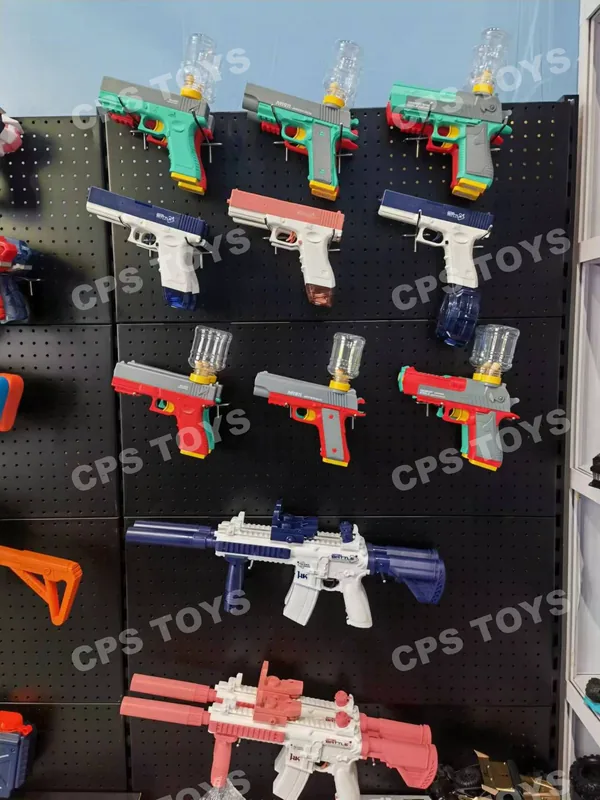
In-house testing capability is where you separate real factories from trading companies. A genuine toy factory in Chenghai or Shantou will have a basic lab on-site: a tensile tester for pull tests, a torque gauge for twist tests, a drop test rig, and access to a third-party lab for chemical analysis. Ask for a video tour of their lab during a video call — a factory that can't show you its testing equipment live is probably using a broker's lab.
For EN71 (EU) and ASTM F963 (US), the factory should send samples to a CPSC-accredited lab like SGS, Intertek, or TÜV for final certification. But in-house testing is what catches problems before the batch goes to the lab. Ask what percentage of production goes through in-house testing: 100% for critical safety tests (sharp points, small parts) is the norm for serious factories. Ask to see their test records for the last batch of a similar product — the actual data sheets, not a summary.
Also ask about their material traceability. Do they use the same batch of resin and paint for the entire order? A factory that switches suppliers mid-order to save money is a QC nightmare. Ask how they handle raw material changes — do they re-test when they change paint suppliers? The answer should be yes, with documentation.
What Does a Factory Audit Visit Look Like in 2026?
If you're serious about a bulk order, visit the factory or hire a third-party inspection company to do it for you. A QC audit visit should take at least half a day and cover four areas: the production floor, the QC station, the warehouse, and the documentation office.
On the production floor, watch how workers handle defects. Are defective units pulled off the line and tagged, or do they go back into the bin? Check the lighting — poor lighting is the #1 cause of missed visual defects. At the QC station, ask the inspectors to show you their daily checklist and the last batch they rejected. A rejected batch with a documented reason is a good sign; a QC station with no rejected batches ever is a bad sign.
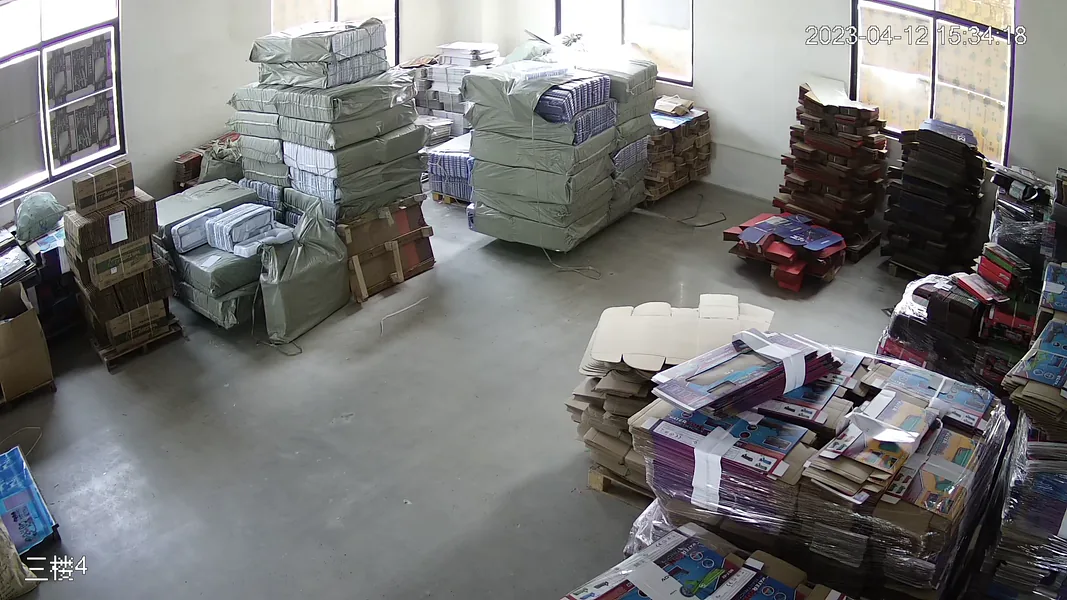
In the warehouse, check how raw materials are stored. Paint and resin should be in sealed containers, away from direct sunlight. Finished goods should be in a clean, dry area. Finally, in the documentation office, ask to see their corrective action reports for the last six months. A factory that can show you a pattern of finding problems and fixing them is more reliable than one that claims perfection.
One practical tip: schedule the visit without warning the factory a week in advance. A 24-hour notice is enough for a legitimate factory to prepare, but not enough to hide problems. If they insist on a week's notice, that's a red flag.
How Do You Interpret AQL Results and Inspection Reports?
AQL (Acceptable Quality Limit) is the language of final inspection. When you hire a third-party inspector (like SGS or QIMA) to check your order before shipment, they'll use AQL sampling. The standard for toys is usually AQL 1.0/2.5/4.0 for critical/major/minor defects. Here's how to read the report: the inspector pulls a random sample (e.g., 125 units from a 3,000-unit order), checks each unit, and counts defects by category. If the number of defects exceeds the AQL limit for any category, the batch fails.
A failed inspection isn't the end of the world — it's a negotiation point. You can ask the factory to sort the goods, re-inspect, or negotiate a discount. But a factory that argues with the inspector's findings or tries to pressure you to accept a failed batch is a factory you should walk away from.
Also understand the difference between a pre-shipment inspection (PSI) and a during-production inspection (DPI). A PSI catches problems before shipment, but a DPI catches them before the factory has produced 10,000 defective units. For a first order with a new factory, always do both. For repeat orders, a DPI alone is often sufficient.
Key Takeaways for Verifying a Chinese Toy Factory's QC
- You now have a clear framework for vetting a factory's QC process. Here's the short version:
- Request the full QC documentation: IQC/IPQC/FQC checklists, AQL levels, and defect classification. If they can't produce these, walk away.
- Verify third-party audits properly: Check the date, scope, and corrective action plans. A BSCI report is social compliance, not quality proof.
- Validate in-house testing for EN71/ASTM F963: Ask for a live video tour of their lab. 100% in-house testing for critical safety points is the norm for serious factories.
- Conduct a physical audit visit: Give 24-hour notice, watch the production floor and QC station, and check for documented rejected batches.
- Use AQL-based third-party inspections: Do a DPI and PSI for first orders. A failed inspection is a negotiation point, not a disaster.
- Check material traceability: Ask if they re-test when changing paint or resin suppliers. The answer should be yes, with documentation.
QC Verification Methods at a Glance
| Document review | What to check: IQC/IPQC/FQC checklists, AQL levels. Time: 1-2 hours. Cost: Free. Reliability: Low-Medium — documents can be fabricated. |
|---|---|
| Third-party audit report review | What to check: BSCI/SEDEX/Walmart/Target report date, scope, CAPs. Time: 1 hour. Cost: Free. Reliability: Medium — snapshot in time. |
| Live video lab tour | What to check: In-house testing equipment, test records. Time: 30 minutes. Cost: Free. Reliability: Medium-High — verifies physical capability. |
| On-site factory audit | What to check: Production floor, QC station, warehouse, documentation. Time: Half day. Cost: $500-$2,000 (travel + inspector). Reliability: High — direct observation. |
| Third-party pre-shipment inspection (PSI) | What to check: AQL sampling on finished goods. Time: 1-2 days. Cost: $300-$800 per inspection. Reliability: High — verifies the actual batch. |
| During-production inspection (DPI) | What to check: AQL sampling at 30-50% production. Time: 1 day. Cost: $300-$800 per inspection. Reliability: High — catches problems early. |
What Red Flags Should End the Conversation Immediately?
Some red flags are deal-breakers. If a factory refuses to share its FQC reports, that's a deal-breaker. If they claim a 0% defect rate, that's a deal-breaker — no factory achieves zero defects, and the claim means they're not inspecting. If they can't name the third-party lab they use for EN71 or ASTM F963 testing, that's a deal-breaker.
Also watch for trading companies posing as factories. A real factory will have a production floor with molding machines, assembly lines, and workers. A trading company will have an office with samples and a laptop. Ask for a live video call showing the production floor — if they can't do it, they're not a factory.
One more subtle red flag: a factory that's too eager to please. If they agree to every requirement without question — including impossible lead times or unrealistic MOQs — they're either desperate or planning to cut corners. A serious factory will push back on unreasonable demands and explain why.
FAQ: Verifying Chinese Toy Factory QC
What is the difference between BSCI and a quality audit?
BSCI is a social compliance audit covering working conditions, wages, and health and safety. It does not verify product quality. For quality, you need a factory capability assessment like Walmart's FCCA or a third-party inspection of your specific order.
What AQL level should I require for toy orders?
The toy industry standard is AQL 1.0 for critical defects, 2.5 for major defects, and 4.0 for minor defects. Critical defects are safety hazards like sharp points or small parts that could choke a child. Require zero tolerance for critical defects.
Can I trust a factory's own test reports for EN71 or ASTM F963?
No. In-house test reports are useful for process control, but final certification must come from an independent CPSC-accredited lab like SGS, Intertek, or TÜV. Always request the third-party lab certificate for your specific product, not a generic one.
How much does a third-party pre-shipment inspection cost?
Typically $300-$800 per inspection, depending on the inspection company, the product type, and the location of the factory. For a first order, this cost is worth it — it's a fraction of the cost of a rejected container.
What should I do if a factory fails a pre-shipment inspection?
Ask the factory to sort the goods and remove defective units, then schedule a re-inspection. If the failure rate is high (over 10% major defects), consider rejecting the batch and negotiating a refund or discount. Document everything.
How often should I re-audit a factory's QC process?
At least once a year for ongoing suppliers, and before every new product line. Factories change their processes, staff, and suppliers. A factory that was excellent in 2025 can be mediocre in 2026 if key QC staff left.
Request a Quote or Factory Audit
Ready to verify a factory's QC process for your next toy order? We can help you request a factory audit, review QC documentation, or get a quote for STEM and educational toys from vetted Chenghai manufacturers. Contact us to start the verification process.