Typical minimum order quantities (MOQs) in toy wholesale start at 500 to 1000 pcs per SKU. Choose a supplier with MOQs under 500 pcs if you're testing a new market or SKU; opt for 1000+ pcs if you're filling a container or need the lowest unit price. This guide explains how MOQs affect your cost, container loading, and negotiation leverage. You'll learn the difference between wholesalers and distributors, how to find reliable partners, what to check in an evaluation, and how to build a lasting relationship. We'll also give you a practical supplier evaluation checklist and a list of essential questions to ask before you request a quote.
Wholesalers vs Distributors: Which Should You Choose?
A wholesaler buys directly from manufacturers in bulk and resells smaller quantities to retailers. They typically hold inventory, ship quickly, and may have higher per-unit prices than factory-direct. A distributor often has exclusive rights for a region or product line, provides marketing support, and handles logistics and after-sales service.
For toy sourcing, you'll likely work with both. A wholesaler is ideal for filling small orders or testing new products without committing to large MOQs. A distributor makes sense when you need a steady supply of established brands with local support. If you're planning to import directly from a factory, you'll bypass both—but you'll face higher MOQs and more complex logistics. Choose wholesalers for speed and flexibility, distributors for brand authority and support.
How to Find Reliable Toy Suppliers
Start with trade shows like the Canton Fair in Guangzhou or the Hong Kong Toys & Games Fair. Here you can meet hundreds of manufacturers and wholesalers face-to-face, see product quality, and negotiate MOQs on the spot. Online B2B platforms like Alibaba, Global Sources, and Made-in-China are also effective—filter by 'verified supplier' and look for transaction history.
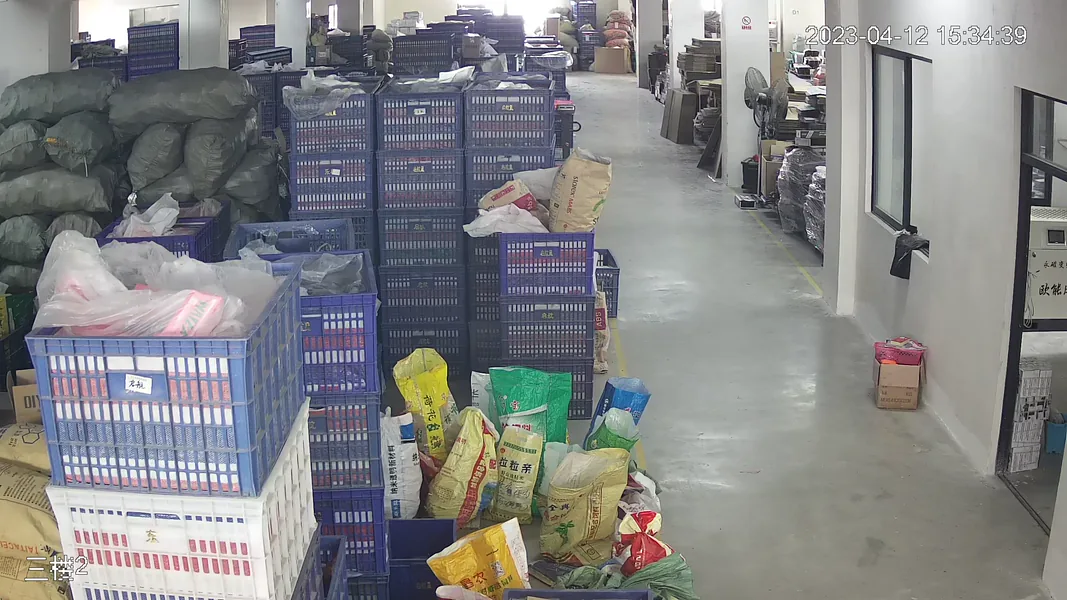
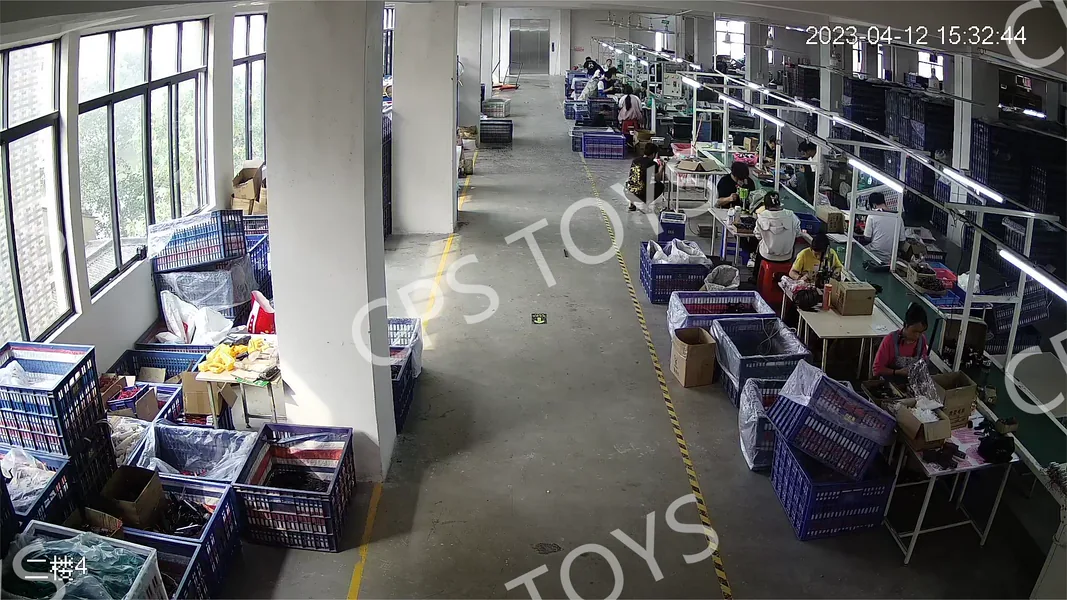
Industry directories, local toy associations, and even LinkedIn can surface reliable partners. Ask for referrals from fellow importers or join trade communities where buyers share vetted suppliers. When you find a candidate, request a sample before any mass order. Always verify their business license and, if possible, arrange a factory audit or a video call to see the production line in action.
How to Evaluate Partners
| MOQ Flexibility | Check if they can start with 500 pcs for a trial order; many factories expect 1000+. Red flag: insisting on 5000+ for an untested product. |
|---|---|
| Certifications | For US/EU markets, require EN71, ASTM F963, CPSIA, or BSCI. According to the Consumer Product Safety Commission (CPSC), toys sold in the US must comply with ASTM F963; the EU's Toy Safety Directive requires EN71. Red flag: vague answers or unwillingness to share test reports. |
| Lead Time | Typical production is 2-4 weeks plus shipping. Red flag: promises of 7-day turnaround for custom items—likely unrealistic. |
| Communication | Responsive, clear English (or your language) and proactive updates. Red flag: slow replies, generic answers, or avoiding direct questions. |
| Payment Terms | Common: 30% deposit, 70% before shipment. Red flag: demanding 100% upfront or cash-only for first orders. |
Build & Maintain the Relationship
Once you've chosen a supplier, treat them as a long-term partner—not a one-off vendor. This means timely payments, clear specifications, and regular order forecasts. When you honor your commitments, you're more likely to get priority production slots, better pricing, and flexibility on MOQs for future orders.
Avoid the common pitfalls: never switch suppliers for a slightly lower price without testing, don't change specs mid-production, and always document everything in writing. Also, remember that Chinese factories often appreciate cultural gestures like respect for their holidays—plan around Chinese New Year shutdowns. A strong relationship can be your safety net when quality issues arise or when you need a rush order.
Supplier Evaluation Checklist
Here's a practical checklist to run through before you sign any contract. These are objective criteria to protect your investment.
1. Verify legal status: request a business license and check if they're a manufacturer or trader. 2. Review samples: test for safety, durability, and compliance with your target market's standards. 3. Confirm certifications: EN71, ASTM, or CPSIA reports should be current and cover your product types. 4. Assess production capacity: ask about their monthly output and how many other clients they serve—can they handle your order volume? 5. Evaluate communication: do they answer within 24 hours? Are they clear about lead times and shipping? 6. Check references: ask for contact details of past or current buyers, and reach out to them.
7. Understand their MOQ policy: can they do 500 pcs for a trial, and what's the cost difference for 1000+? 8. Clarify payment terms: negotiate a reasonable deposit and ensure you have a contract with clear delivery dates. 9. Plan for quality control: arrange a pre-shipment inspection or hire a third-party service. 10. Consider logistics: do they handle export documentation, and what's their experience with your destination port?
FAQ
What is a realistic minimum order quantity (MOQ) for toys?
Typical MOQs start from 500 to 1000 pcs per SKU for factory-direct sourcing. Some wholesalers may offer lower minimums, but you'll pay a higher per-unit price.
How does MOQ affect my total cost?
Lower MOQs mean higher per-unit costs because setup and tooling are spread over fewer pieces. At 1000+ pcs, you'll get better pricing, which can be crucial when filling a container.
Can I negotiate MOQs?
Yes, especially if you're offering a repeat order or bundling multiple SKUs. Some factories accept 500 pcs for a trial order, as seen in trade show negotiations, but expect a premium.
What documents should I ask for before ordering?
Request EN71 or ASTM test reports, a business license, and if exporting to the EU, a CE declaration. Also ask for a proforma invoice and a packing list.
How long does a typical toy order take?
Production usually takes 2-4 weeks, depending on complexity and current factory load. Add 1-3 weeks for sea freight to the US or Europe.
Why do factories have different MOQs?
MOQs depend on the production process—injection molding, assembly, packaging—and the factory's capacity. Custom or complex toys require higher minimums to justify tooling costs.
Request a Quote
Ready to source toys with realistic MOQs? Contact us for a quote tailored to your target quantities and market requirements. We offer flexible minimums and comprehensive compliance support.